
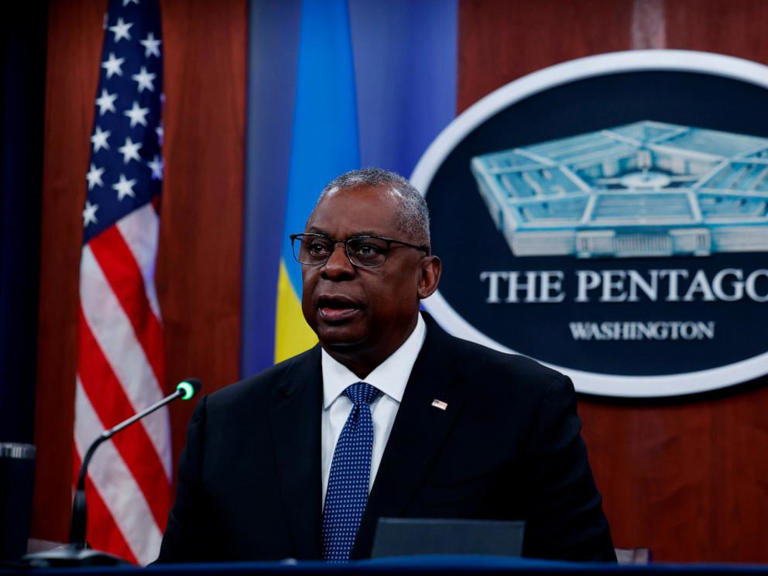
In a reassuring turn of events, Defense Secretary Lloyd Austin has been discharged from the hospital following a brief medical observation. The announcement came earlier today from the Pentagon, putting to rest concerns about the health of one of the key figures in the Biden administration.
The 68-year-old retired four-star Army general was admitted to Walter Reed National Military Medical Center on Monday, where he underwent a series of comprehensive medical examinations. The decision to hospitalize Secretary Austin was made out of an abundance of caution after he reported feeling unwell during a routine check-up.
A spokesperson for the Department of Defense (DoD) reassured the public that Secretary Austin’s condition was not COVID-19 related and that he was in good spirits throughout his brief stay at the medical facility. The medical team attending to him found no serious health issues, and the decision to release him was based on the favorable outcome of the tests.
President Joe Biden expressed relief at the news of Secretary Austin’s recovery, praising the military leader’s dedication to his duties and wishing him a swift return to full strength. The President added that he had been in regular contact with Secretary Austin during his hospitalization, receiving updates on his progress.
The specifics of Secretary Austin’s health condition were not disclosed, in accordance with privacy regulations. However, sources close to the situation indicated that his symptoms were mild, and there was no cause for long-term concern.
Secretary Austin, who made history as the first African American to head the Pentagon, is expected to resume his official duties promptly. His return to the forefront of defense matters is crucial, particularly given the complex geopolitical landscape and ongoing global security challenges.
During Secretary Austin’s absence, Deputy Defense Secretary Kathleen Hicks assumed acting responsibilities, overseeing the day-to-day operations of the Defense Department. Hicks, a seasoned defense professional, ensured that there was no disruption in the strategic decision-making process during this temporary transition.
The news of Secretary Austin’s hospitalization had prompted an outpouring of support from both domestic and international leaders. Many world leaders conveyed their well wishes for his speedy recovery, emphasizing the pivotal role the United States plays in global security.
In the midst of growing tensions in various regions and ongoing military operations, the presence and leadership of the Secretary of Defense are crucial for maintaining stability and ensuring a unified approach to national security matters. Secretary Austin’s return is expected to reassure allies and signal continuity in U.S. defense policy.
As Secretary Austin resumes his duties, it is anticipated that he will address a range of pressing issues, including the withdrawal of U.S. troops from certain regions, the modernization of the military, and collaboration with international partners on shared security concerns.
The Department of Defense emphasized that Secretary Austin’s medical episode served as a reminder of the toll that public service can take on individuals, highlighting the importance of regular health check-ups for leaders in critical positions. The incident also underscored the resilience and commitment of Secretary Austin, who, despite health concerns, remained focused on his responsibilities.
In the aftermath of this health scare, discussions about the health and well-being of top government officials are likely to emerge. The demands of high-stakes decision-making and the relentless pace of public service can take a toll on individuals in leadership roles, prompting a renewed emphasis on the need for comprehensive healthcare support for those serving in critical positions.
